Shopping Cart
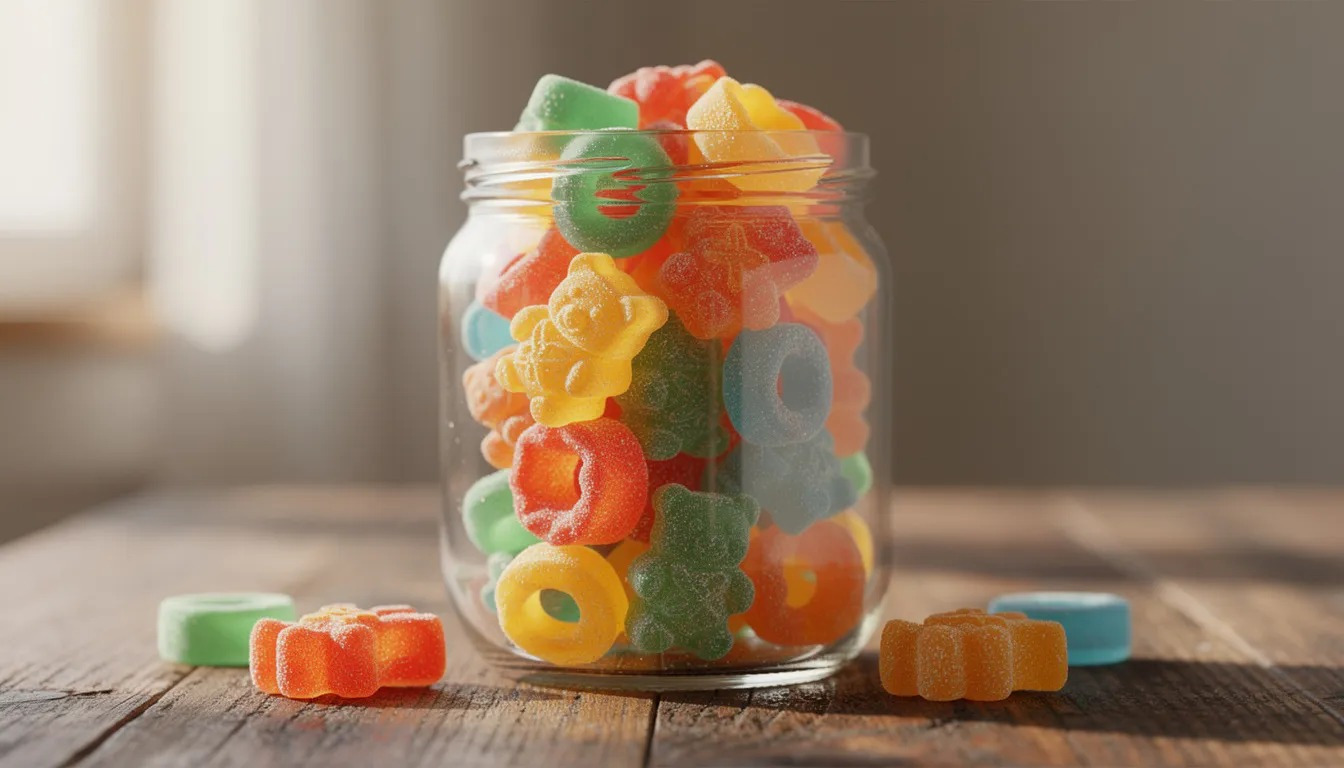
Getting your THC gummies dosage right can mean the difference between a relaxing evening and an overwhelming experience you would rather forget. Whether you are new to cannabis edibles or switching from smoking to gummies, understanding how many mg THC work for your body is essential for a safe and enjoyable experience. [1] [2]
This guide is written for EU adults who want clear, practical language about THC gummies dosage in 2026. Your cannabis experience can shape how any dose feels. It explains edible dosage choices, timing, and what to do if you end up with too much thc, without giving medical advice. [1] [2]
A cannabis edible is absorbed through digestion, then processed by the liver into 11 hydroxy THC, which helps explain why a cannabis edible can feel stronger and last longer than inhalation. [2] [3]
If you want a quick answer: many beginners should start with a low dose of 2.5 mg THC to 5 mg THC total, then wait long enough to judge effects before taking more. [1] [2] This recommended dosage protects against accidental overconsumption caused by redosing too soon.
THC dosage is not only the number on the label; it is the combination of dose size and timing. If you change THC dosage too quickly, you can misread your response. A consistent THC dosage across sessions is the easiest way to learn your baseline. When comparing products, write your THC dosage down and keep it steady.
To avoid confusion, read the label in two steps:
Most labels show mg THC per piece or the total THC per package, so always confirm which number you are using for your dose. [1]
Find how much THC is listed per piece, or calculate it from the package total.
Write down your dose and the time you took it, so you do not accidentally stack dose on top of dose. [1]
Here is a simple dosage chart breakdown by experience level:
1 to 2.5 mg THC (microdose): subtle psychoactive effects for some people
2.5 to 5 mg THC (low dose): mild euphoria and relaxation for many adults
5 to 10 mg THC (moderate dose): clearer noticeable effects, more impairment
10 to 25 mg THC (high dose): strong effects for many people, better for experienced users
25 mg THC and above (very high dose): very strong, often excess THC for sensitive users [1] [2]
Even if you expect the same effects as smoking, cannabis edibles can feel different. Unlike smoking, the THC edible pathway can create stronger effects and a longer body time before you feel normal again. [2] [3]
If you are unsure how much THC is right, start with a low dose THC choice and repeat that dose on a different day before you change it. [1] [2] Many people are surprised because the same amount of THC can feel stronger in a THC edible than when inhaled.
Body weight can influence how a dose feels, but it is not a formula. Lower body weight can mean a smaller dose produces noticeable effects, while higher body weight may correlate with needing a larger dose for similar level of intensity. [1] In practice, higher body weight is only one factor among many.
Still, your body responds to much more than body weight. Body chemistry, tolerance level, and the endocannabinoid system also matter. Body chemistry can also affect digestion speed and onset. In some cases, high tolerance users report needing a higher dose, while others reach similar level of effects at lower numbers. Effects can also change with your mental or physical state and your physical state on that day. [1] [2]
Two people taking the same dose can report the same effects, or completely different effects, because metabolism and context can vary based on the person. [1] Two sessions can feel at the same level of intensity, or not at the same level, even when the dose is identical. In practice, a low dose can produce the same effects in one setting and different effects in another.
Cannabis edibles include gummies, brownies, sweet edibles, chocolates, and drinks. Many people first meet cannabis edibles through THC gummies. A cannabis edible delivers THC through digestion rather than smoke, which changes timing and intensity. [1] [2]
Many people choose cannabis edibles because they avoid inhalation, but taking edibles requires patience. A common mistake is eating a second piece before the first THC edible has peaked, leading to too many edibles and accidental overconsumption. [1] [2]
If you regularly consume edibles, your tolerance level may rise over time. High tolerance can shift your ideal dose upward, because the endocannabinoid system adapts to repeated cannabinoid exposure, but the safer pattern is still to use smaller doses first and gradually increase across separate sessions. [2]
A practical harm-reduction point is consistency. If you switch between different products, flavors, or formats, the edible experience can change even when the label looks similar. Differences in recipe, ingredients, and how the edible is made can affect how fast the body responds and how long effects last. [1]
People who are new to consuming cannabis often assume they will get the same effects every time, but the same level of THC can feel different from day to day. [1] This is one reason edible dosage should be repeated at the same level before you change it.
If you are consuming cannabis frequently, tolerance can rise and a THC dosage that once felt strong may feel milder. Even then, avoid jumping straight into a high dose, and use smaller doses to re-check how your body responds. [2]
Some adults use THC edibles in the context of chronic pain, but individual risk varies and this article does not provide medical guidance. [2]
A high dose can be uncomfortable even for people who think they have high tolerance. This is true for THC gummies and other THC edibles. A high dose THC edible increases the risk of anxiety, dry mouth, and impaired coordination. For some people, a high dose also brings intense euphoria that feels hard to steer. [1] [2]
High dose ranges are often defined as 10 to 25 mg THC total in one session, but that dose can feel very different depending on the person. [1] If you have low tolerance, a dose that looks moderate on paper can feel like a high dose.
High dose does not guarantee better desired effects. THC dosage should still be increased slowly and intentionally. A higher dose does not reliably deliver the same effects, and it can add side effects instead. Often, the perfect THC dose is the smallest dose that achieves your desired effects with minimal downside. [1]
An edibles dosage chart helps you map edible dosage to expected intensity. Use it to plan your edible dosage, then confirm your edible dosage with timing and notes. This is not a promise, because everyone's tolerance is different and everyone's tolerance can change over time, but it gives a practical starting point. [1] [2]
Edibles dosage chart ranges that many guides use (these are THC dosage bands used in many public guides):
low dose: 2.5 mg THC to 5 mg THC
medium dose: 5 mg THC to 10 mg THC
high dose: 10 mg THC to 25 mg THC
high dosage: 25 mg THC and above
This edibles dosage chart becomes more accurate when you include timing. A THC edible can peak later than expected, so the dose that felt mild at 45 minutes can feel much stronger at 2 hours. [2] [3]
At this level, effects may be subtle. Some users report enhanced creativity, gentle mood lift, and a mild experience without feeling fully intoxicated. [1] A microdose is still a THC edible dose, so treat it with the same caution as larger doses.
This low dose range is a common recommended dosage for a first THC edible. A low dose can produce mild euphoria, relaxation, and clear effects without overwhelming intensity for many people. [1]
A moderate dose enters clearly psychoactive effects territory. Coordination and judgment can be affected, and the edible high can last several hours. [1] [2]
A high dose range can bring stronger effects, stronger euphoria, and more side effects. This is more common among more experienced users, but even they can misjudge timing with a THC edible. [1] [2]
Edible dosage is personal. Your THC dosage should match your setting and plan. The same dose can feel manageable in a quiet, familiar space, and overwhelming in a stressful setting. [1] A safe and enjoyable experience usually comes from a consistent process rather than chasing a bigger dose.
A simple process for edible dosage (a repeatable edible dosage routine):
Choose a low dose THC starting point.
Take the dose in a calm space and avoid additional substances.
Wait 60 to 120 minutes, and do not add another dose before 2 hours have passed. [1] [2]
Record what you felt, then repeat that dose on a different day.
If needed, gradually increase using smaller doses.
This is especially useful if you are switching from vaping to a THC edible, because the onset is slower and the peak arrives later. This matters for high tolerance and low tolerance users alike. [2] [3]
Start with a low dose if you are new, or if you have low tolerance. For people who regularly consume edibles, the starting dose can be higher, but it is still safer to begin at the lower edge of your normal range. [2]
After taking edibles, wait long enough to judge effects. When taking edibles, set a timer so you do not change dose too soon. Some people feel effects in 45 minutes, while others with slower metabolisms may need the full 2 hours. [2]
Track:
dose in mg
time you ate the THC edible
empty stomach or after food
intensity from 1 to 10
desired effects versus side effects
Rating your physical state and mental state changes helps identify patterns. Repeating the same dose across 2 to 3 different sessions before adjusting gives you reliable data about how your body responds to that specific amount.
When you adjust, gradually increase by small steps and prefer smaller doses at first. A common approach is to increase by 1 to 2.5 mg THC across different days, not in the same night. [1] [2] This reduces the chance of accidental overconsumption and helps you find an ideal dose.
A dosage chart is most useful when you think in dose, not in pieces. This keeps your edible dosage stable. Two gummies can have different label numbers, so the same amount of pieces is not the same dose. [1]
A quick dosage chart for beginners:
|
Session |
Suggested dose |
Goal |
|---|---|---|
|
Night 1 |
2.5 mg THC (low dose) |
Establish baseline |
|
Night 2 |
That dose, or 5 mg THC |
Confirm response |
|
Night 3+ |
Adjust with smaller doses |
Move toward ideal dose |
During early edible consumption, avoid alcohol and additional substances. Mixing substances increases risk and makes it harder to understand how your body responds. [1] [2]
People often ask how many milligrams they should take, but it depends on tolerance and context. THC dosage guidance is usually given in ranges, not exact formulas. [1] The key is to calculate milligrams of THC per piece and per session.
Some labels show mg THC per gummy. Others show total THC per pack, so you must divide by the number of pieces to know your dose. [1]
If you ask how much THC is in your product, look for:
milligrams of THC per piece
total THC in the package
number of pieces
When you know how many milligrams, you can keep your dose consistent and keep edible dosage decisions simple, which helps you avoid excess THC.
Your edible experience depends on timing, food, and metabolism. A THC edible is processed through the digestive system and liver, which leads to 11 hydroxy THC formation. [2] [3]
Empty stomach use can cause faster onset and stronger effects for some people, while taking edibles after food can create a smoother experience with edibles. [1] [2]
Slower metabolisms can delay onset and extend effects. [2] Because of this, take notes on body time, and do not assume the same level of intensity at 45 minutes reflects the final peak.
Small practical habits can support a safer session. Staying hydrated can reduce discomfort from dry mouth for some people, and a simple plan for the evening reduces stress. [1] If you want a safe and enjoyable experience, avoid adding other substances, keep your environment predictable, and give yourself enough time to come down before sleep or responsibilities. [1] [2]
An edible high often builds in phases: onset, peak, and a gradual decline. THC dosage can shift both peak intensity and duration. [1] [2] With a THC edible, the peak can arrive 1.5 to 3 hours after the first dose, and the total dose shapes how long the edible high lasts.
Typical timing:
onset: 30 to 120 minutes
peak: 1.5 to 3 hours
duration: 4 to 8 hours, sometimes longer with high dose or high dosage [1] [2]
If you take a THC edible on an empty stomach, onset may be shorter duration but not always. Some people report a shorter duration of the main peak, followed by lingering effects. [2] Always plan so you are not forced to drive or make important decisions while your dose is active.
How much THC you should take depends on your goal and tolerance. Some people want mild experience and subtle psychoactive effects. Others want stronger effects, but that also raises risk.
A simple guide for how much THC:
2.5 mg THC: common low dose starting point
5 mg THC: low dose for many adults, clear effects
10 mg THC: moderate dose that can feel like a high dose in sensitive people
20 mg THC: high dose for some people
25 mg THC: high dosage territory for many adults [1] [2]
Some THC edibles combine THC and CBD. Tetrahydrocannabinol and CBD together can change how the THC feels for some people, sometimes reducing anxiety and smoothing the experience. [1] [4]
If you use a THC edible that contains CBD, the same amount of tetrahydrocannabinol may produce a different balance of effects than a THC-only product. [1]
Start low, go slow. Pick a low dose, wait, and do not stack dose on top of dose because you feel nothing at 45 minutes. [1] [2]
A practical rule is to wait at least 2 hours before changing dose. Another rule is to avoid mixing THC with additional substances, especially alcohol, during early edible consumption. [1]
This protects you from accidental overconsumption and reduces the chance of taking too many edibles.
Taking excess THC can cause anxiety, nausea, dry mouth, and confusion. [1] [2] If you feel overwhelmed, move to a calm space, stay hydrated, and wait for the peak to pass. [1]
High dosage is where problems happen for many people. At very high levels, THC dosage mistakes are a common cause of distress. [1] [2] A high dosage THC edible can cause strong euphoria, anxiety, nausea, and confusion, especially if you take the dose on an empty stomach. [1] [2]
High dosage also increases next-day grogginess and can impact your THC experience beyond the session. [1] If you are aiming for desired effects and an enjoyable experience, treat high dosage as an avoidable risk. If your THC experience turns uncomfortable, reduce stimulation and wait.
If you accidentally take too much thc, remember that effects are temporary. Reduce stimulation, avoid taking more, and focus on hydration and breathing. [1]
2.5 mg is often used as a reference point because it sits in the low dose range and works as a starter dose for many adults. [1] It is also easy to repeat as that dose across multiple sessions, which helps you learn how your body responds.
If 2.5 mg is too mild, a next step might be 5 mg THC on a different day. If 2.5 mg already produces clear effects, stay at that dose until you understand your tolerance level.
For people with lower body weight or slower metabolisms, 2.5 mg can still feel stronger than expected. [1] [2]
THC gummies dosage is mostly about dose planning, patience, and consistency. THC gummies are easier to measure than many homemade cannabis edibles. With cannabis edibles, and especially with cannabis edibles that contain higher milligrams, the same amount can feel stronger than expected because digestion and 11 hydroxy THC change how THC feels. [2] [3]
To reduce risk, choose a low dose, wait long enough, avoid other substances, and gradually increase only across separate sessions. This approach supports a safe and enjoyable experience and makes your edible dosage more predictable. For safer cannabis use, keep THC dosage changes small, avoid mixing with additional substances, and plan for a calm environment. A consistent approach helps make your THC experience steadier from one session to the next.
1. European Union Drugs Agency (EUDA) – Cannabis: https://www.euda.europa.eu/topics/cannabis_en
2. National Institute on Drug Abuse (NIDA) – Cannabis (Marijuana): https://nida.nih.gov/research-topics/cannabis-marijuana
3. PubMed (NCBI) – Oral THC pharmacokinetics and 11-hydroxy-THC literature: https://pubmed.ncbi.nlm.nih.gov/
4. NHS – Medical cannabis (and cannabis oils) : https://www.nhs.uk/medicines/medical-cannabis/
5. World Health Organization (WHO) – Cannabidiol (CBD) Q&A: https://www.who.int/news-room/questions-and-answers/item/cannabidiol-(compound-of-cannabis)