Shopping Cart

- On sale!
- -10%
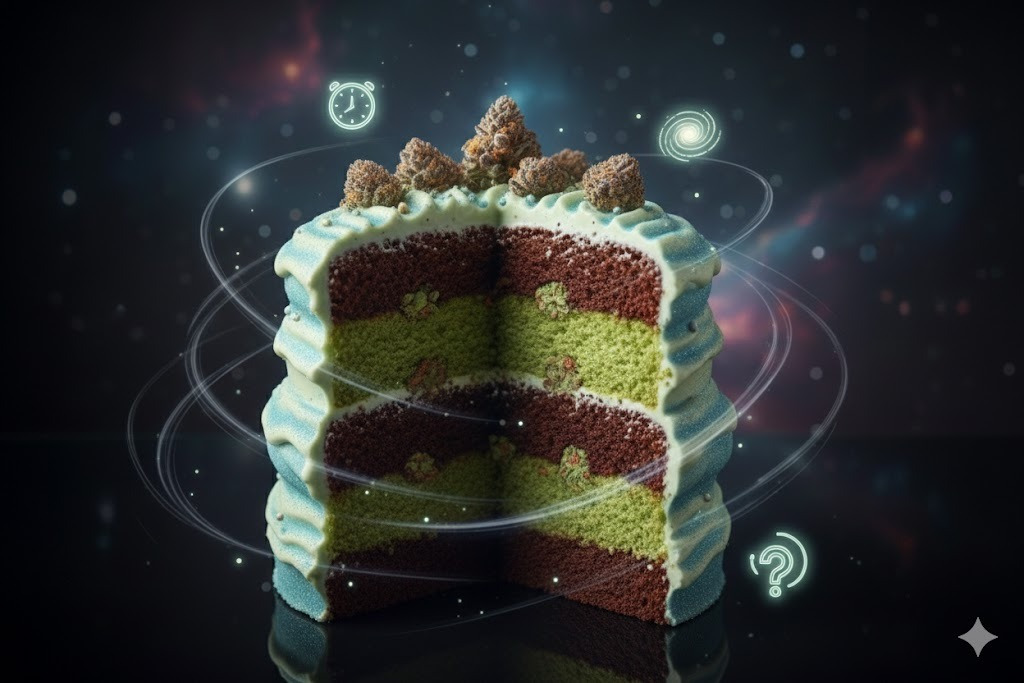
Space cake effects describe the physical and mental changes reported after eating a cake made with the psychoactive substance cannabis or similar cannabis edibles. These effects depend on dosage, metabolism, and the way people consume cannabis through food rather than inhalation. Research and public health guidance emphasize variability and the importance of harm reduction when adults choose to consume cannabis. [1] [2]
Unlike smoking, cannabis infused foods are processed through the digestive tract, which changes onset, intensity, and duration. For a broader, pillar (hub) overview of effects, precaution, and dosage, see all about space cake: effect, precaution, dosage. This article explains how space cake effects work, why they can feel intense, and how to reduce risk, without offering medical advice. [3]
Cannabis edibles are food and drink products that contain active cannabinoids, such as THC, extracted from cannabis and infused into the recipe. Unlike smoking, where cannabinoids enter the bloodstream almost immediately through the lungs, edibles must pass through the digestive tract before being absorbed. This means the effects of cannabis edibles take longer to appear, often peaking two to three hours after consumption, and can last much longer, sometimes up to six hours or more. The way you consume cannabis in edible form creates a unique experience, as the onset is slower and the effects are often more intense and sustained compared to smoking. The type of food or drink used, as well as the dose and potency of cannabinoids, all influence how the body processes the edible and how strong the effects will be. Understanding these differences is essential for anyone looking to consume cannabis safely and enjoyably through edibles.
Space cakes have a fascinating history rooted in global cannabis culture. In North Africa, especially Morocco, people have enjoyed cannabis infused foods like “majoun” - a sweet, potent pastry - for centuries. In India, cannabis has been mixed into foods and drinks such as bhang for thousands of years, often as part of religious or cultural celebrations. The modern concept of the space cake, however, took off in the 1960s and 1970s, particularly in Amsterdam. There, coffee shops began offering space cakes as a discreet, tasty, and potent alternative to smoking cannabis. The name “space cake” became synonymous with a powerful edible experience, and today, these cakes are a symbol of cannabis culture in many parts of the world, representing both tradition and innovation in cannabis consumption.
A space cake is a type of cannabis edible, usually a cake or other baked goods made with infused fat. Variants exist across regions, including references to hashish fudge in parts of Europe and North Africa, where traditional preparations inspired modern edibles. These products fall under the broader category of edibles and cannabis infused foods. [4]
People eat cannabis in a cake for different reasons, including curiosity, an honorable pleasure associated with food culture, or interest in potential relaxation or pain relief. The cake may include other ingredients such as sugar, flour, and fats, which influence absorption. [2] [4]
If you want to see examples and formats in one place, browse the space cake category.
The foundation of any cannabis edible, including space cakes, is a fat-based ingredient, usually butter or oil, that has been infused with THC from cannabis. This cannabis-infused butter or oil is then used in a wide variety of recipes, from classic brownies and cookies to more elaborate cakes and pastries. The choice of recipe and the amount of cannabis used can significantly affect the potency and flavor of the final product. Some recipes use highly concentrated cannabis resins or CBD isolates for a more controlled or subtle effect, while others stick to traditional methods for a richer taste and stronger experience. Understanding the ingredients and their proportions is crucial for managing dosage and predicting the effects of space cakes, making it easier to enjoy cannabis edibles safely and responsibly.
When you eat cannabis, cannabinoids travel through the digestive tract before entering the bloodstream. During metabolism in the liver, THC is converted into active compounds that can feel more potent in the body than inhaled cannabis. This process explains delayed effects and a longer duration compared with smoking. [5] [6]
Onset can take time, sometimes several hours, and effects may last up to 8 hours or more in some adults. The experience depends on dose, dosage accuracy, and varying amounts of THC and other cannabinoids in the food. [2] [6]
The length of time space cake effects last can vary widely from person to person. Key factors include the dose of cannabis consumed, your individual tolerance, and whether you’ve eaten other food beforehand. When you eat a space cake, your liver converts THC into 11-hydroxy-THC, a compound that is more potent and has a longer-lasting effect on the body. This means the effects can be intense and may last anywhere from 4 to 8 hours, especially if the dose is high. Your metabolism, body weight, and the presence of other substances in your system can also influence how long the effects persist. To avoid an unexpectedly long or intense experience, it’s best to start with a small dose and wait to see how your body reacts before consuming more.
Understanding the potency and dosage of cannabis edibles like space cakes is essential for a safe and enjoyable experience. A typical dose of THC in edibles ranges from 10 to 30 mg, but some products can contain much higher amounts, increasing the risk of adverse effects, especially for those with low tolerance or little experience. Always check packaging labels for THC content and start with a low dose if you’re new to edibles. Advances in cooking and extraction techniques have made it easier to create potent edibles, but this also means accidental overdoses are more common. Consuming too much can lead to a bad trip or other unpleasant effects. To manage the experience, drink water, eat small snacks, and rest if needed. Responsible consumption and careful attention to dosage are the best ways to enjoy the benefits of space cakes while minimizing risks.
A bad trip is an intense or uncomfortable experience that can happen after consuming too much cannabis, especially in people with low tolerance. Symptoms may include anxiety, panic attacks, confusion, or feeling out of control. Clinical toxicology literature and methods report analyses note that these reactions are usually temporary but distressing. It's important to remember that feeling like you're going 'crazy' during these moments is common and does not mean you are actually crazy - these effects are temporary and will pass. [6] [7]
If this happens, staying in a cool place, choosing rest, avoiding alcohol or other drugs, and reminding yourself the effects will pass can help. Many guidelines suggest to stay calm, drink water, and avoid further consumption. [2] [3]
Marrakech butter is a colloquial term sometimes used for cannabis-infused butter, inspired by cultural references linked to North Africa. It is used in cooking to make a cake, cookies, or other food. The potency depends on preparation, grinding the plant material, and how evenly it is mixed into the ground fat. [4]
Because homemade preparations vary, dosage control is difficult, which increases the risk of consuming half or more of a potent portion without realizing it. [5]
Common side effects reported with space cake effects include dry mouth, increased appetite, sleepiness, and changes in perception. These effects are considered normal for many users, but they can feel intense when the dose is high or the person is inexperienced. [1] [2]
Other physical effects may include changes in heart rate, mild nausea, or feeling a bit dizzy. Mixing cannabis with alcohol or other substances can make side effects worse and more dangerous. [2] [6]
Possible side effects also include anxiety, stress, impaired control, and trouble sleeping once the effects wear off. In rare cases, people report severe symptoms linked to overdose-like reactions, though fatal overdose from cannabis alone is not documented in public health sources. [1] [6]
Consuming cannabis in edible form can increase the risk of adverse effects because onset is delayed, leading some people to eat more. Addiction risk exists for a minority of users, particularly with frequent consumption of high-THC products. [1] [8]
How long do space cake effects last? Duration varies, but effects often last several hours and can extend beyond the initial onset phase, depending on metabolism and dose. [2]
Why do edibles feel different from smoking? Edibles are processed through digestion and liver metabolism, unlike smoking, which delivers cannabinoids rapidly to the bloodstream. [5]
What should I do if effects feel too strong? Find a safe place, rest, drink water, avoid coffee or alcohol, and remember the effects will happen and then fade. Sleep can help your body recover from intense effects and is a natural way to support recovery after overconsumption. [2]
Space cake effects are shaped by digestion, metabolism, and the unique way cannabinoids act when eaten. While many adults report relaxation or increased appetite, others may experience anxiety or other adverse effects, especially with high potency or low tolerance. Understanding onset, duration, and dosage helps reduce risk and supports safer choices. [1] [2]
World Health Organization - Cannabis and health
https://www.who.int/teams/mental-health-and-substance-use/alcohol-drugs-and-addictive-behaviours/drugs-psychoactive/cannabis
Health Canada - Edible cannabis: effects and harm reduction
https://www.canada.ca/en/services/health/campaigns/cannabis/health-effects.html
Centers for Disease Control and Prevention (CDC) - Cannabis facts
https://www.cdc.gov/cannabis/health-effects/index.html
European Monitoring Centre for Drugs and Drug Addiction (EMCDDA) - Cannabis edibles overview
https://www.euda.europa.eu/topics/cannabis_en
Huestis M. - Human cannabinoid pharmacokinetics
https://pmc.ncbi.nlm.nih.gov/articles/PMC2689518/
Zipursky J.S. et al. - Edible cannabis and delayed effects (CMAJ)
https://www.cmaj.ca/content/192/7/e162
Clinical toxicology reviews on cannabis intoxication
https://www.tandfonline.com/toc/ictx20/current
National Institute on Drug Abuse (NIDA) - Marijuana research report
https://nida.nih.gov/research-topics/cannabis-marijuana