Shopping Cart
- On sale!
Out-of-Stock

THCX hash is a market label that has started appearing in the European market for newer cannabis products. It is commonly referred to as a potent hemp-derived concentrate, but the term is not standardized in the way THC, CBD, or specific medicines are. That matters because products sold as THCX hash may vary depending on the brand, the blend, and the production process. [1] [2]
For adults trying to understand THCX hash, the main questions are practical. What is it made from, how does it compare with hashish, why do some users describe significantly higher marijuana potency, and what are the legal and safety issues in European countries? [1] [2] [4]
This guide explains the current evidence in neutral language. It covers cannabis cultivation, extraction, active ingredients, reported effects, short term effects, risk factors, and the legal gray areas around semi synthetic cannabinoids sold alongside more familiar cannabis products. [1] [2] [3]
The goal is not promotion. It is to give experienced users and curious adults a clear framework for judging quality, purity, consistency, and safety before assuming that a THCX hash product is what the label suggests. [1] [2] [5]
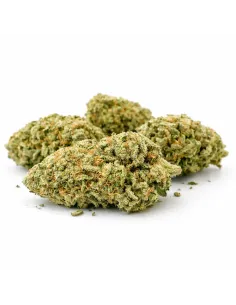
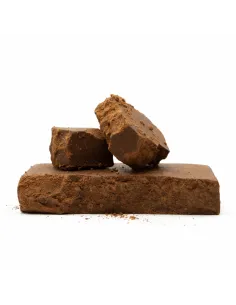
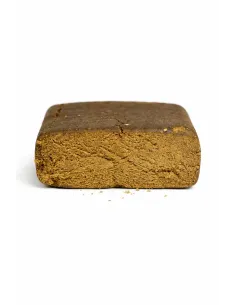
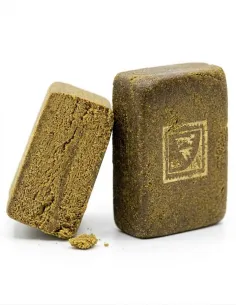
THCX hash is usually presented as a resin-like cannabis product made from hemp-derived cannabinoids rather than as a traditional pressed hashish made directly from cannabis sativa trichomes. In many listings, it appears as a dark brown or dark amber concentrate with a soft or semi-firm texture. [1] [2]
The label can be misleading because THCX is not a single molecule with one accepted formula. Instead, it is better understood as a commercial term for a blend of cannabinoids or modified compounds produced from hemp, often with higher concentrations of psychoactive active ingredients than standard CBD products. [1] [2]
That distinction matters for safety and legality. A product can look like conventional hash, smell like resin, and still have a very different composition from classic hashish or kief-based concentrates. [1] [2] [5]
In the current European market, THCX hash is commonly referred to as a semi synthetic cannabinoid product derived from hemp. The starting material is often CBD extracted from cannabis sativa varieties grown under low-THC hemp rules. [1] [2] [4]
From there, the CBD may be chemically converted into other cannabinoids, sometimes through steps involving delta 8 or related compounds. After that, the blend may be added to resin, enriched flowers, hash oil, honey oil, or other cannabis products. [1] [2]
That means two THCX hash products may share a name while varying depending on the manufacturer, batch, purity, and intended market positioning. [1] [2]
Production usually starts with hemp from cannabis cultivation systems that comply with local rules for industrial cannabis sativa. The plant material is selected for CBD yield rather than for the same chemistry associated with high-THC marijuana. [1] [4]
After harvest, extraction is used to isolate CBD and other compounds from the plant. That extract may then be refined into a more concentrated ingredient for chemical conversion. [2] [5]
A second process can convert CBD into other cannabinoids. Public agencies in Europe have noted the rise of semi synthetic cannabinoids produced from hemp-derived CBD, especially in the last few years. [1] [2]
The finished blend may then be combined with resin, hash oil, honey oil, or a solid carrier to create a product sold as THCX hash. Depending on the method, it may also be used in enriched flowers, vape liquids, or edible food products. [1] [2]
The process matters because product safety depends on more than cannabinoid percentages. If purification is weak, contaminants, solvents, or inconsistent active ingredients may remain in the batch. [2] [5]
It also matters because users often assume hash means a natural concentrate. With THCX hash, that assumption may be wrong. The final product may contain a blend that differs sharply from traditional hashish. [1] [2]
Consistency is another issue. A product sold in one batch may not match the potency or purity of the next batch, especially where oversight is limited. [2]
One reason THCX hash attracts attention is marijuana potency. Sellers and users often describe it as potent or significantly higher in strength than standard hemp concentrates. [1] [2]
That claim is plausible in a general sense because concentrated and modified cannabinoid blends can produce higher concentrations than ordinary flower. But potency is not the same as quality, and a potent product is not automatically a safer one. [2] [5]
THC content can also be confusing. A product may comply with rules for delta-9-THC while still delivering strong psychoactive effects through other cannabinoids. That is one reason THCX hash is often discussed in legal gray areas. [1] [2] [4]
For adults comparing products, the better question is not just “how strong is it?” but “what exactly is in it, and how consistent is that composition?” [2] [5]
THCX hash sits inside a larger family of cannabis products that now includes traditional hashish, enriched flowers, vape formulations, edibles, hash oil, honey oil, and other concentrates. [1] [2]
Traditional hashish is usually made from resin or kief separated from the cannabis plant. THCX hash, by contrast, is usually produced from hemp-derived cannabinoids and additional processing steps. [1] [2]
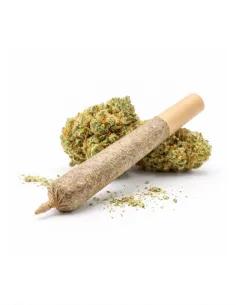
Some products are sold in forms that resemble conventional resin. Others are shaped for smoking in a pipe, a bong, or mixed with tobacco in a joint. Still others are adapted for vape hardware or added to food. [3] [5]
Because the market is evolving, consumers may see THCX sold next to products labeled delta x, delta 8, or other cannabinoids. That does not mean they are chemically identical or interchangeable. [1] [2]
Traditional hashish is a cannabis concentrate made from resin glands collected from the plant, often through sieving, rubbing, or pressing kief. It is generally associated with naturally occurring cannabinoids in cannabis sativa. [3] [5]
THCX hash differs because it is not simply pressed plant resin. Its composition is usually built through extraction, conversion, and blending. [1] [2]
That difference affects active ingredients, potency, and risk. With traditional hashish, the user is mainly dealing with the plant’s own cannabinoid profile. With THCX hash, the final blend may include modified cannabinoids with a different onset, intensity, and duration. [1] [2]
It also affects expectations about appearance. Traditional hashish is often dark brown or brown-black and can be soft, crumbly, or sticky. THCX hash may mimic that look, but the visual similarity does not guarantee similar chemistry. [2] [5]
The European market for cannabis and hemp-derived products has changed quickly. EUDA has documented the growing presence of semi synthetic cannabinoids in Europe, many of them thought to be produced from CBD extracted from low-THC hemp. [1] [2]
That trend helps explain why THCX hash has appeared in multiple European countries. It fits into a broader market shift toward novel products that are marketed as legal or quasi-legal alternatives to conventional cannabis. [1] [2] [4]
The rapid growth also creates a consumer protection problem. When products move faster than oversight, labels, purity, and safety claims can become difficult to verify. [2] [5]
Brands may market these items as innovative, strong, or cleaner than traditional cannabis products. But a brand claim alone does not establish purity, batch consistency, or low risk. [2] [5]
The legal status of THCX hash is complex. In some cases, products are marketed as legal because they are derived from hemp and keep delta-9-THC below a specific limit. [1] [4]
That does not settle the question. EUDA has repeatedly noted that low-THC and hemp-derived cannabis products can still raise difficult legal issues in Europe, and semi synthetic cannabinoids add another layer of uncertainty. [1] [2] [4]
So while a product may be sold openly in one country, it may face tighter interpretation or enforcement in another. Laws can vary depending on the source material, the process used, the active ingredients, and whether authorities classify the final blend as a controlled substance or novel cannabinoid product. [1] [2] [4]
For users in European countries, the safest assumption is that legality must be checked locally and regularly. A product that appears legal on a website may still create legal risk offline. [1] [4]
Reported effects of THCX hash often include rapid onset, intense perception, elevated mood, and a period of relaxation that can last longer than some users expect from standard cannabis. [2] [3]
Some people describe a clear early phase followed by heavier body effects. Others report a strong wave of euphoria, altered sensory perception, and changes in thought speed or focus. [3]
These reported effects can vary depending on dose, purity, route of use, and the exact blend in the product. Smoking or vaping may produce effects faster than oral food formats, which is consistent with general cannabis pharmacology. [3] [6]
For experienced users, that may be part of the appeal. But strong onset and prolonged intensity can also increase the chance of overshooting a comfortable dose. [3]
Effects vary depending on more than one factor. The starting hemp extract, the conversion process, the final blend, and the amount used all shape the outcome. [1] [2]
They also vary depending on the person. Prior cannabis exposure, mental state, setting, and whether the person has mixed the product with alcohol, tobacco, or other drugs all matter. [3]
That is one reason a label such as THCX hash tells only part of the story. Two products with similar names may produce very different experiences. [1] [2]
Short term effects can include dry mouth, red eyes, dizziness, anxiety, and impaired coordination. These are well-established cannabis-related effects and may be more noticeable with potent concentrates. [3] [6]
Cannabis can also raise heart rate and blood pressure immediately after use. Public health sources note that this may increase cardiovascular strain in some users. [6]
The stronger the product, the more careful users should be about dose. A very potent concentrate in large quantities can produce confusion, distress, or physical discomfort more easily than a lower-strength product. [3] [6]
Dry mouth and red eyes are among the most familiar short term effects. These do not mean the product is safe or unsafe on their own, but they often signal active cannabinoid exposure. [3] [6]
Anxiety and panic attacks are more important warning signs. People prone to these reactions may find THCX hash uncomfortable or dangerous, especially in unfamiliar settings or at higher concentrations. [3]
Impairment is also a major issue. Even when the user feels calm, coordination and judgment may be reduced. [6]
Risk factors include potency, uncertain purity, inconsistent batch quality, high dose, mixing with other drugs, and using the product in large quantities. [2] [3] [5]
Anxiety history is another factor. People with past panic attacks or strong sensitivity to cannabis may be more likely to have unpleasant reactions. [3]
Product form matters too. A concentrate that looks like ordinary hash may encourage a user to treat it like ordinary hashish, which can lead to overconsumption if the active ingredients are stronger or more concentrated. [1] [2]
Poor purity is a major concern. If a product is made through extraction and chemical conversion, contaminants or by-products can remain if quality control is weak. [2] [5]
Batch inconsistency is another risk factor. Even within one brand, results may vary depending on processing conditions and blending. [2]
A final risk factor is false confidence. The word hemp can sound mild, but hemp-derived does not mean non-intoxicating once the cannabinoids have been concentrated or modified. [1] [2]
THCX hash is part of a broader landscape of other cannabinoids now sold across Europe. These include CBD, delta 8, HHC-like products, and other semi synthetic blends. [1] [2]
CBD is often the starting material in the process. On its own, CBD is not generally associated with the same intoxicating effects as THC. But once it is chemically converted into other cannabinoids, the pharmacology changes. [2] [5]
That is why comparisons with classic cannabis products should be made carefully. The final product may behave more like THC than CBD, even though it began as hemp extract. [1] [2]
Public agencies have warned that this fast-moving category can outpace research and regulation. That is especially relevant when products are marketed with therapeutic language before evidence is strong enough. [1] [2]
Drug testing is a practical concern for many users. NIDA notes that cannabis tests often look for cannabinoid metabolites, including THC metabolites. [7]
One of the best-known metabolites is THC-COOH. If THCX hash is metabolized into THC like metabolites, it can trigger a positive test result even if the product was marketed as hemp-derived. [7]
That means consumers should not assume a legal hemp label protects them from workplace, roadside, or other testing outcomes. In practice, drug screens may detect the metabolic footprint rather than the marketing language. [7]
Safety starts with skepticism. Before using THCX hash, adults should look for third-party testing, clear cannabinoid profiles, contamination screening, and some evidence that the product is consistent from batch to batch. [2] [5]
Start with a small amount. This is especially important for concentrates and for anyone moving from flower to hash, hash oil, or honey oil. [3]
Avoid mixing with alcohol or other drugs. Do not drive, cycle in traffic, or use machinery after use. [3] [6]
If smoking, remember that route of use changes the speed of onset. A pipe or bong can deliver effects quickly, which can make redosing a mistake if the user is chasing a stronger wave too early. [3] [6]
Mixing with tobacco does not reduce potency. It may change the feel of the smoke, but it does not solve cannabinoid overdose or anxiety risk. [3]
A better product should provide cannabinoid data, contamination testing, and some explanation of the process. [2] [5]
Look for evidence of purity, consistent labeling, and realistic claims. Products that promise extreme potency while offering little documentation deserve extra caution. [2] [5]
Research on THCX hash itself remains limited. Most public information comes from the broader literature on cannabis, cannabinoids, and semi synthetic products, not from large clinical trials specific to THCX. [1] [2] [3]
That means treatment claims should be viewed carefully. Some users may discuss pain, inflammation, depression, or other symptoms, but there is not enough evidence to treat THCX hash as an established medical treatment. [3] [5]
It is also not a substitute for prescribed medicines. Adults with health concerns should be cautious about replacing clinical care with unverified cannabis products. [3]
The current evidence supports a harm-reduction message more than a therapeutic one: know the product, know the dose, and know that the science is still catching up. [1] [2] [3]
THCX hash is a hemp-derived concentrate sold as a semi synthetic cannabinoid product. It is not a single molecule but usually a blend of modified cannabinoids incorporated into a resin-like hash format. [1] [2]
Traditional hashish is made from cannabis resin or kief collected from the plant. THCX hash is usually produced through extraction, conversion, and blending, so its active ingredients may differ substantially from classic hashish. [2] [5]
It may be sold as legal in some settings, especially where delta-9-THC limits are emphasized, but legality varies across European countries and can remain uncertain for semi synthetic products. [1] [2] [4]
Yes. If the body produces THC like metabolites such as THC-COOH after use, standard cannabis testing can detect them. [7]
Reported effects include euphoria, stronger perception, relaxation, and longer-lasting psychoactive effects than many users expect from ordinary hemp products. But anxiety, panic attacks, and physical discomfort are also possible. [3]
Related cannabis products may appear as enriched flowers, hash oil, honey oil, vape concentrates, or infused food products. [1] [2]
THCX hash is an emerging cannabis product category in the European market, built from hemp-derived cannabinoids and additional processing rather than from traditional resin collection alone. That makes it interesting to some experienced users, but it also makes it harder to judge by appearance alone. [1] [2]
Its appeal usually centers on potency, strong perception shifts, and the idea of a legal alternative to conventional cannabis. But potency without purity, consistency, and clear labeling can create real safety problems. [2] [5]
For adults evaluating THCX hash, the most useful questions are simple: what is in the blend, how was it produced, what does the batch test show, and what do local laws say right now? [1] [2] [4]
That cautious approach is more reliable than any slogan about strength or novelty. In a fast-moving area of cannabis products, informed caution is often the best protection. [1] [2] [3]
Official reference: EUDA: semi-synthetic cannabinoids in Europe.