Shopping Cart

Introduction
THCX is a fast-rising label in the cannabis market, but the term is less settled than it looks. Peer reviewed literature suggests THC-X is often promoted as a novel product even though its exact identity is not standardized. [1]
That makes THCX different from familiar cannabinoids with clearer definitions. In the cannabis industry, new semi-synthetic compounds can spread through the market before research and regulation catch up. [2] [3]
For readers, the key issue is not hype but clarity. A product can come from hemp plants, still be chemically modified, and still have psychoactive properties that differ sharply from a non psychoactive compound such as CBD. [2] [3]
This guide explains the name THCX, its likely origin, how it may interact with the body's endocannabinoid system, what its legal status may look like, and why drug tests matter. [1] [4] [5]
Table of Contents
- What is THCX?
- The name THCX
- New cannabinoid or marketing gimmick?
- Chemical structure and origin
- Hemp plants, hemp derived cannabinoids, and cannabinoid esters
- Single molecule or blend
- Endocannabinoid system and effects
- How THCX may produce effects
- Several factors shape different effects
- Delta 8 THC, Delta 9 THC, and other cannabinoids
- THCX and traditional THC
- Potency, milder high, and powerful effects
- Potential therapeutic benefits
- Chronic pain, anxiety, and sleep disorders
- Neuroprotective properties and more research
- THCX products and the cannabis market
- THC X products and legal requirements
- THCX legal status
- Is THCX legal in Europe?
- THCX and drug tests
- THC-COOH and why users may test positive
- THCX, cannabis ETF, and net assets confusion
- AXS Cannabis ETF, total assets, and non diversified finance terms
- Potential adverse effects
- Dry mouth, anxiety, and low doses
- FAQ
- Conclusion
- Sources
What is THCX?
THCX is usually sold as a new cannabinoid. In reality, it is better described as an uncertain commercial label linked to semi-synthetic or blended cannabis compounds rather than a universally defined natural molecule. [1] [2]
That is why articles about THCX often sound confident while the evidence remains thin. The gap between retail language and research is still large. [1] [3]
The name THCX
The name THCX causes confusion because it has more than one meaning online. In product pages it may describe a cannabinoid blend, while in laboratory medicine THCX is also used as a testing code related to carboxy-THC confirmation. [5] [6]
New cannabinoid or marketing gimmick?
A cautious reading is that THCX is not yet a settled scientific category. One peer reviewed paper described THC-X as a promoted novel product and pointed to analysis suggesting a blended formulation. [1]
Chemical structure and origin
Most descriptions say THCX starts with cannabinoids obtained from hemp plants and then becomes chemically modified. That places it closer to semi-synthetic cannabinoids than to classic compounds directly found in cannabis plants. [2] [3]
Chemical structure matters because even small changes can alter potency, prolonged effects, and receptor binding. Those changes may help produce effects that users describe as different from ordinary THC. [3] [4]
Hemp plants, hemp derived cannabinoids, and cannabinoid esters
THCX is often described with language about hemp derived cannabinoids and cannabinoid esters. The broad pattern matches what European monitoring has seen with newer semi-synthetic products sold as alternatives to Delta 9 THC. [1] [2]
The starting point matters less than the finished product. A substance can begin with hemp and still end up with strong psychoactive properties after conversion. [2] [3]
Single molecule or blend
A major issue is whether THCX is a single molecule. Current reporting suggests that, in many cases, it is better understood as a blend of compounds than as one clean substance. [1]
Endocannabinoid system and effects
Like other cannabinoids, THCX is generally claimed to act through the endocannabinoid system. That system includes cannabinoid receptors and signaling mechanisms that help regulate mood, reward, memory, appetite, and sensory perception. [4]
Because the body's endocannabinoid system is so widespread, psychoactive substances in this class rarely feel narrow. A change in receptor activity can influence several body systems at once. [3] [4]
How THCX may produce effects
THCX is marketed as a product that may produce effects such as euphoric effects, altered sensory perception, and changes in well being. Those claims are plausible in general cannabinoid terms, but they are not backed by a strong THCX clinical literature. [1] [4]
The safer conclusion is modest. THCX may act through familiar cannabinoid pathways, but exact psychoactive effects probably depend on what the product actually contains, and anecdotal reports are not enough to settle that question. [1] [4]
Several factors shape different effects
Several factors influence response, including dose, tolerance, method of use, formulation, and user metabolism. That is one reason effects tend to vary from person to person. [1] [3]
Delta 8 THC, Delta 9 THC, and other cannabinoids
THCX is usually explained by comparison with Delta 8 THC, Delta 9 THC, and other cannabinoids. Delta 9 THC remains the best known intoxicating compound in cannabis, while Delta 8 THC is often described as somewhat less intense. [2] [3]
This comparison is useful, but it has limits. Similar names do not guarantee similar chemistry, potency, or legal treatment. [1] [2]
THCX and traditional THC
Traditional THC usually means Delta 9 THC produced by cannabis plants. THCX, by contrast, is discussed as chemically modified, semi-synthetic, or blended. [2] [3]
That difference matters for both safety and labeling. A product can resemble traditional THC in effect while differing in origin, purity, and legal status. [2]
Potency, milder high, and powerful effects
Online descriptions of THCX often conflict. Some say it offers a milder high, while others market it for potent effects and powerful effects. [1]
Potential therapeutic benefits
Many articles discuss the potential therapeutic benefits of THCX, and the phrase potential benefits appears often, but most of those claims are borrowed from broader cannabis research. Evidence for cannabis or other cannabinoids does not automatically transfer to THCX. [1] [7]
Chronic pain, anxiety, and sleep disorders
Cannabinoids in general have been studied for chronic pain and for some sleep disorders, although the quality of evidence varies by condition and product type. THCX itself does not yet have a strong clinical base for these uses or for any pain relieving claim. [7] [8]
The same caution applies to anxiety. A compound may feel calming at one dose and overstimulating at another, especially when potency is uncertain, and there is no good proof that THCX will reliably stimulate appetite or suppress it. [4] [8]
Neuroprotective properties and more research
The scientific community does discuss neuroprotective properties for some cannabinoids, especially in preclinical contexts. That should not be confused with proof that THCX has established neuroprotective properties in humans. [4] [9]
THCX products and the cannabis market
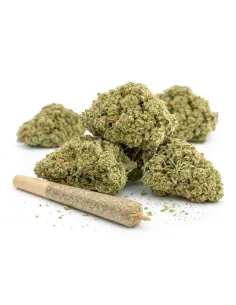
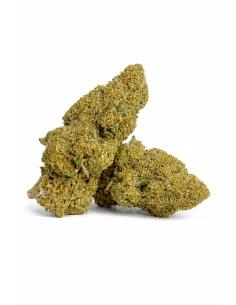
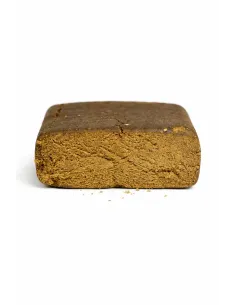
THCX products are sold in several formats, including vapes, edibles, flowers, oils, and concentrates. Their spread shows how quickly the cannabis industry creates new categories inside the cannabis market. [2] [3]
THC X products and legal requirements
For THC X products, labeling quality matters. Clear batch data, cannabinoid content, and third party analysis are more useful than vague claims about purity or mood. [2] [3]
Users should also ignore random web page fragments. Terms like delete right click, long press, pin tooltip, and anchor time are not indicators of chemistry, safety, or legal requirements.
THCX legal status
THCX legal status is complex because the category sits between cannabis law, hemp law, and rules aimed at synthetic cannabinoids. A product can be sold as hemp based yet still face scrutiny if authorities focus on the final intoxicating compound. [2] [3]
Is THCX legal in Europe?
Europe does not have one simple THCX rule. EUDA has reported a growing wave of semi-synthetic cannabinoids sold as legal alternatives to cannabis and Delta 9 THC, which shows how fluid this space remains. [2]
Availability is not the same as certainty. Anyone facing legal or health risk should check current local rules and seek a medical professional when interaction or vulnerability is a concern. [2] [3]
THCX and drug tests
Drug tests are one of the most practical concerns around THCX. Standard cannabis testing usually looks for metabolites, not for the exact product name written on a package. [5] [6]
That means a THCX user may still trigger the same screening logic used for THC related exposure. The label does not protect a user from detection. [5] [6]
THC-COOH and why users may test positive
THC-COOH, often written thc cooh in simplified text, is a non psychoactive compound formed during THC metabolism. Mayo Clinic and NIDA materials show that carboxy-THC markers are central to cannabis drug tests, which is why users may test positive after using THCX products that generate THC related metabolites. [5] [6]
Detection windows vary with frequency, dose, and metabolism. Chronic use can extend the period in which THC-COOH remains measurable. [5] [6]
THCX, cannabis ETF, and net assets confusion
Another source of confusion is that THCX has also been used as a cannabis ETF ticker. That financial use is unrelated to the cannabinoid label, but it helps explain strange search results. [10]
AXS Cannabis ETF, total assets, and non diversified finance terms
The AXS Cannabis ETF used the ticker THCX, and SEC records show that fund entered liquidation in 2024. Terms such as total assets, net assets, and non diversified belong to finance reporting, not cannabinoid pharmacology. [10]
This matters because search intent gets mixed. A reader researching THCX effects can easily land on pages about the AXS Cannabis ETF instead of pages about cannabis compounds. [10]
Potential adverse effects
Potential adverse effects deserve more attention than hype. Based on broader evidence on psychoactive cannabinoids and synthetic cannabinoids, plausible risks include anxiety, dizziness, confusion, impaired attention, and changes in heart rate. [3] [4]
Unclear composition increases that risk. When the formula is uncertain, so is the safety profile. [1] [3]
Dry mouth, anxiety, and low doses
Dry mouth is a familiar complaint with many cannabis products, and anxiety is a common problem when dose or setting goes wrong. Those potential side effects matter even more when a product is potent or poorly described. [3] [4]
For harm reduction, low doses are the sensible default. Mixing unknown semi-synthetic products with alcohol or other psychoactive substances can add unnecessary uncertainty. [3]
FAQ
Is THCX a single molecule?
Often, no. Current reporting suggests THCX may refer to blended compounds rather than one universally accepted molecule. [1]
Can THCX get you high?
Yes, products sold as THCX are generally intended to be psychoactive. The exact psychoactive effects, however, depend on composition and potency. [1] [3]
Will THCX cause a positive drug test?
It can. If use leads to THC related metabolites such as THC-COOH, standard cannabis drug tests may detect them and the user may test positive. [5] [6]
Does THCX have proven medical use?
No proven THCX specific medical use has been established by strong clinical research. Claims about chronic pain, anxiety, or sleep should be treated as hypotheses, not settled facts. [7] [8]
What is the best bet for safer reading of THCX claims?
The best bet is to separate marketing from research, check whether the source is scientific, and remember that unclear labeling usually means unclear risk. [1] [2]
Conclusion
THCX is best understood as an uncertain commercial label inside a rapidly changing cannabinoid market. It is linked to chemically modified compounds, semi-synthetic production, and product claims that move faster than the evidence. [1] [2]
That does not mean THCX is meaningless. It means the same name can hide different chemistry, different potency, different legal status, and different testing outcomes. [1] [3] [6]
For an adult reader, the practical lesson is simple. Treat THCX as a term that requires source checking, caution, and more research rather than automatic trust. [1] [2]
Sources
- Caprari C, et al. An emerging trend in Novel Psychoactive Substances (NPSs). PMC. https://pmc.ncbi.nlm.nih.gov/articles/PMC11067227/
- European Union Drugs Agency. European Drug Report 2025: semi-synthetic cannabinoids and new psychoactive substances. https://www.euda.europa.eu/publications/european-drug-report/2025/new-psychoactive-substances_en
- National Institute on Drug Abuse. Synthetic Cannabinoids. https://nida.nih.gov/research-topics/synthetic-cannabinoids
- Lu HC, Mackie K. Review of the Endocannabinoid System. PMC. https://pmc.ncbi.nlm.nih.gov/articles/PMC7855189/
- National Institute on Drug Abuse. Drug Testing. https://nida.nih.gov/research-topics/drug-testing
- Mayo Clinic Laboratories. Delta-8 and Delta-9-Carboxy-Tetrahydrocannabinol (THC) Confirmation, Chain of Custody, Random, Urine. https://www.mayocliniclabs.com/test-catalog/overview/62743
- National Academies of Sciences, Engineering, and Medicine. The Health Effects of Cannabis and Cannabinoids. https://www.nationalacademies.org/publications/24625
- Kaul M, et al. Effects of Cannabinoids on Sleep and their Therapeutic Potential for Sleep Disorders. PMC. https://pmc.ncbi.nlm.nih.gov/articles/PMC8116407/
- Maroon J, Bost J. Review of the neurological benefits of phytocannabinoids. PMC. https://pmc.ncbi.nlm.nih.gov/articles/PMC5938896/
- U.S. Securities and Exchange Commission. AXS Cannabis ETF ticker THCX liquidation filing. https://www.sec.gov/Archives/edgar/data/1587982/000139834424002210/fp0087097-1_497.htm