Shopping Cart
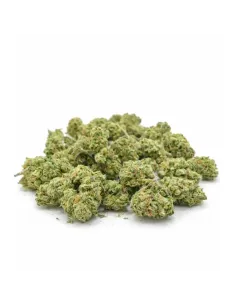
Out-of-Stock
THCX is a market label that has started appearing in the cannabis industry, but it is not a well standardized scientific term. In practice, THCX may refer to a cannabinoid blend, a modified hemp ingredient, or a product positioned as stronger than classic THC, depending on the seller and the formula. [1] [2]
That lack of standardization matters when people search for THCX effects. With many cannabinoids now sold under fast moving brand names, cannabis consumers can see strong claims before there is enough independent research to confirm what the product really contains or how it behaves in the body. [2] [3]
Most public discussions describe THC X as a relatively new cannabinoid with psychoactive properties, but the evidence base is still thin. Reports suggest that some THC X formulas are linked to delta 8 THC, hemp derived cannabinoids, or synthetic cannabinoids rather than a single naturally occurring compound from the cannabis plant. [1] [2] [4]
For adults trying to understand THCX effects, the key questions are simple. What is THCX, how THCX works, what psychoactive effects it may produce, what adverse effects may happen, how potency compared with delta 9 THC is discussed, and why drug tests remain a concern. [1] [5] [6]
THCX is usually presented as a new cannabinoid. In reality, the term often looks more like a marketing label than a settled scientific name. [1] [2]
That is why THCX effects are hard to summarize with certainty. One THC X product may not match another THC X product in composition, source, or potency. [1] [2]
Some sellers describe THC X as part of the broader wave of hemp derived cannabinoids. Others place it closer to synthetic cannabinoids, depending on how the ingredient was made. [1] [4]
Unlike natural cannabinoids that are well characterized in research, THCX does not yet have a widely accepted identity in peer reviewed literature. That makes preliminary discussions especially important. [4] [5]
In plain terms, THCX sits in the same fast moving space as many cannabinoids launched in the modern cannabis market. This is one reason why limited research is a recurring issue in any serious review of THCX effects. [2] [3]
When people ask about the chemical structure of THC X, the most honest answer is that it depends on the product. The public language around THC X sometimes mentions cannabinoid esters, modified tetrahydrocannabinols, or a cannabinoid blend built from hemp inputs. [1] [4]
The phrase cannabinoid esters matters because some related products in this sector are described as esters of THC like compounds. Those modifications may change stability, absorption, or labeling, but they do not create a clear consensus about safety. [4] [7]
If a THC X formula is based on delta 8 THC or another altered cannabinoid, the chemical structure may differ from delta 9 THC even if the psychoactive properties are marketed as similar. In the cannabis industry, that distinction can affect both regulation and consumer expectations. [1] [2] [4]
This is also where THC X starts to diverge from a non psychoactive compound such as CBD. A label that sounds mild because it comes from hemp plants can still describe a product intended to produce psychoactive effects. [1] [6]
Any discussion of how THC X works starts with the body's endocannabinoid system. The endocannabinoid system includes cannabinoid receptors, signaling molecules, and enzymes that help regulate sleep, appetite, mood, memory, pain, and immune response. [5] [8]
The best known cannabinoid receptors are CB1 and CB2. CB1 is strongly linked to the central nervous system, while CB2 has a more visible role in the immune system and immune response. [5] [8] [9]
THC X is generally marketed as acting on the same endocannabinoid system targets as psychoactive cannabinoids such as delta 8 THC and delta 9 THC. That is an inference based on similarity claims, not proof from strong THC X specific clinical trials. [4] [5] [7]
If THC X reaches CB1 signaling in a meaningful way, it may produce psychoactive effects such as euphoric effects, altered sensory perception, and changes in time awareness. Those are broad cannabinoid patterns rather than findings unique to THC X. [5] [6] [8]
This matters because THC X products are often discussed as stronger than CBD yet different from traditional THC. Mechanistically, the relevant question is not the label alone but how a given formula interacts with cannabinoid receptors in real use. [4] [5]
THCX effects are usually described in terms of feeling, onset, and control. Users report that THC X effects may feel clear, fast, and noticeably psychoactive, though users report significant variation between products. [1] [2]
The phrase psychoactive effects is central here. A THC X formula promoted for a strong buzz is intended to produce psychoactive effects, even when it is sold under a hemp framing. [1] [6]
In practical terms, THC X effects may include changes in mood, slower reaction time, altered sensory perception, body heaviness, and short term shifts in focus. Those psychoactive effects are broadly consistent with other psychoactive substances that act through cannabinoid signaling. [5] [6] [8]
Some adults describe THC X as more balanced than classic THC. Others describe potent effects that arrive quickly and feel closer to high potency delta products. [2] [4]
That is why THC X potency should be treated cautiously. Marketing language about THC X potency can vary significantly, and potency compared with familiar compounds is rarely backed by standardized testing across brands. [1] [2]
For that reason, experienced users may still approach THC X slowly. A product that seems mild on paper can produce psychoactive properties that feel stronger in practice. [1] [6]
Delta 8 THC is one of the most important reference points for understanding THC X. Public descriptions of THC X often connect it to delta 8 THC, either directly or indirectly. [1] [4] [7]
Delta 8 is psychoactive. The FDA has warned that delta 8 products have not been evaluated or approved for safe use and may pose public health risks. [1]
Delta 8 also became widely available because of legal ambiguity around hemp derived cannabinoids. That same pattern helps explain why THC X entered the cannabis market so quickly. [2] [7]
When THC X is described as delta 8 based, the implication is that THC X may share some psychoactive properties with delta 8 while being marketed as more refined or more intense. That remains a product claim, not a settled scientific conclusion. [4] [7]
Delta 8 is therefore useful as a comparison, but it should not be treated as proof of identical THCX effects. The phrase THC X works may sound simple, yet formula differences can matter a great deal. [1] [4]
Delta 9 THC remains the main benchmark for psychoactive cannabinoids. It is the reference most adults use when they ask whether THCX effects feel weak, moderate, or strong. [5] [6]
Compared with delta 9 THC, THC X is often marketed as smoother or more modern. That wording does not automatically mean safer, cleaner, or more predictable. [1] [2]
Traditional THC has decades of research behind it, even if many questions remain. THC X does not have that depth of evidence. [3] [8]
This is why classic THC still serves as the more useful research anchor. When people compare potency compared with delta 9 THC, they are usually comparing personal impressions rather than formal pharmacology. [4] [5]
Adults should also remember that delta 9 THC and THC X can both affect the central nervous system and may impair driving, attention, and short term memory. [6] [10]
THC X is part of a wider wave of other cannabinoids now sold outside the older THC and CBD framework. The cannabis market has expanded quickly, and many cannabinoids now reach consumers before the science catches up. [2] [3]
Some of these alternative cannabinoids are naturally present in the cannabis plant in low amounts. Others are made or concentrated through chemical conversion. [4] [7]
That difference matters because natural cannabinoids and synthetic cannabinoids do not always carry the same evidence base, product consistency, or toxicology profile. [4] [7]
For cannabis consumers, THC X should therefore be viewed alongside many cannabinoids that are sold with fast moving claims. The label alone does not confirm therapeutic properties, purity, or long term risk. [1] [2]
One reason people search for THCX effects is pain relief. Research on cannabinoids more broadly suggests the endocannabinoid system has a role in pain processing, and some cannabinoids show analgesic properties in preclinical and clinical contexts. [8] [11]
That does not mean THC X has proven medical cannabis value for chronic pain. There is limited research on THC X itself, and clinical trials specific to THC X are not established. [3] [11]
Still, reports suggest some users seek THC X for pain relief or discomfort relief because they expect health benefits similar to other psychoactive cannabinoids. That remains an early and uncertain area. [2] [3]
It is more accurate to say that THC X is discussed for potential benefits, not that it has confirmed therapeutic properties. Any reference to several health benefits should be read as preliminary discussions, not settled medicine. [3] [11]
Anxiety reduction is another common theme in user discussions. Some users report calming effects and a steadier mood with THC X than with high dose traditional THC. [2] [6]
At the same time, psychoactive substances can affect people very differently. Products that feel calming at one dose may feel overstimulating at higher doses. [6] [10]
That is especially relevant for people with anxiety disorders or a history of sensitivity to intoxicating cannabis products. Adverse effects can include panic, racing thoughts, or discomfort, particularly when potency is uncertain. [6] [10]
So while THC X is sometimes discussed for calming effects, the mental health picture is mixed. It is not accurate to assume anxiety reduction for everyone. [3] [6]
Appetite changes are commonly linked to psychoactive cannabinoids. Yet not every cannabinoid affects hunger in the same way. [5] [8]
Some discussions around THC X mention appetite suppression rather than the classic expectation that cannabis may stimulate appetite. The evidence for THC X on this point is thin. [2] [3]
Because the body's endocannabinoid system is involved in appetite regulation, either direction is biologically plausible depending on dose, setting, and formulation. [5]
For now, appetite suppression should be treated as a reported effect, not a proven feature. The same caution applies to improving sleep quality or other desired outcomes. [2] [3]
Claims about neuroprotective properties appear often in cannabinoid marketing. However, neuroprotective properties are usually inferred from broader cannabinoid science rather than THC X specific evidence. [8] [11]
The same caution applies to sleep quality. Some users report better sleep quality and improving sleep quality after THC X, but that is not the same as proof for sleep disorders. [2] [3]
A psychoactive product that feels sedating for one person may disrupt sleep quality for another, especially if the dose is high or the onset is uncomfortable. [6] [10]
So when people discuss potential therapeutic benefits or health benefits similar to other cannabinoids, the most careful reading is that these are hypotheses. The current evidence remains limited research, not a clinical standard. [3] [11]
Adverse effects are one of the most important parts of any THCX effects guide. Because product identity is uncertain, the risk profile may vary significantly between formulas. [1] [2]
Common cannabis like adverse effects can include dry mouth, dizziness, confusion, anxiety, and impaired concentration. With intoxicating products, higher doses generally increase the chance of unpleasant psychoactive effects. [6] [10]
Dry mouth sounds minor, but it is a useful sign that a product is affecting the body in a noticeable way. If THC X produces dry mouth together with strong euphoric effects or coordination problems, that can signal a stronger than expected dose. [6]
Other psychoactive substances, including alcohol, may compound impairment. Mixing substances raises uncertainty and can make psychoactive effects harder to predict. [6]
This is one reason THC X is usually better approached by experienced users than by people with no background in psychoactive cannabinoids. A small serving can still feel strong when the cannabinoid blend is poorly standardized. [1] [2]
The legal status of THC X is one of the least stable parts of the subject. THCX legal status can vary significantly by country, by state, and by the exact way a formula is sourced or described. [2] [3]
In the United States, federal laws around hemp created space for many hemp derived cannabinoids to appear on the market. At the same time, regulators have repeatedly warned that some products may be unsafe or misleadingly labeled. [1] [2]
In Europe, the legal status also varies significantly. EUDA materials show a changing and complex landscape for cannabis and related products rather than a single rule for all countries. [3] [12]
That is why both thcx legal and thc x legal questions depend on specifics. A product tied to hemp plants may still face restrictions if authorities view it as a synthetic or intoxicating derivative. [1] [2] [12]
Put simply, THC X should never be assumed legal just because it comes from hemp plants or sits beside other hemp derived cannabinoids. The legal status can change quickly. [1] [2]
Drug tests are a major practical concern for adults considering THC X. Standard drug tests usually look for cannabinoid metabolites rather than brand specific names. [13]
That means THC X may still lead users to test positive if the product metabolizes into THC related compounds. This is especially relevant for thc x products marketed as strong or fast acting. [1] [13]
THCX products are therefore not a safe option for anyone who must avoid a positive screen. The label THC X does not create a bypass around routine drug tests. [13]
The same caution applies to thcx products sold as cleaner than traditional THC. Even when the marketing sounds different, the testing problem may remain the same. [1] [13]
Not in any clearly standardized way. THC X is usually discussed as a processed ingredient, a cannabinoid blend, or a market term rather than a well defined natural cannabinoid found in the cannabis plant at established levels. [1] [4]
There is no solid consensus. THCX effects are often marketed as potent effects, but potency compared with delta 9 THC depends on formulation, dose, and product quality. [1] [2] [4]
It is better to say possible potential benefits than confirmed medical value. There is not enough direct evidence to conclude that THC X has established therapeutic properties for pain, sleep disorders, or mental health conditions. [3] [11]
People new to psychoactive cannabinoids, people prone to anxiety disorders, and anyone facing workplace testing should be especially cautious. Product variability is a major issue. [1] [6] [13]
THCX effects are best understood as a product category question, not a settled molecule question. THC X is a relatively new cannabinoid label used in the cannabis market, often tied to delta 8, hemp derived cannabinoids, or other modified cannabinoid pathways rather than a single universally defined compound. [1] [2] [4]
Because THC X may produce psychoactive effects, adults should treat it with the same caution used for other psychoactive substances. Limited research, uncertain formulation, possible adverse effects, and unresolved legal status all matter more than the marketing name. [1] [3] [6]
The most reliable takeaway is simple. THC X may feel potent, but the science around THC X effects, THC X products, and THCX legal status is still developing, and drug tests remain a real risk. [1] [2] [13]